

ABIS Highlights Automotive Mold Planning From Design to Delivery
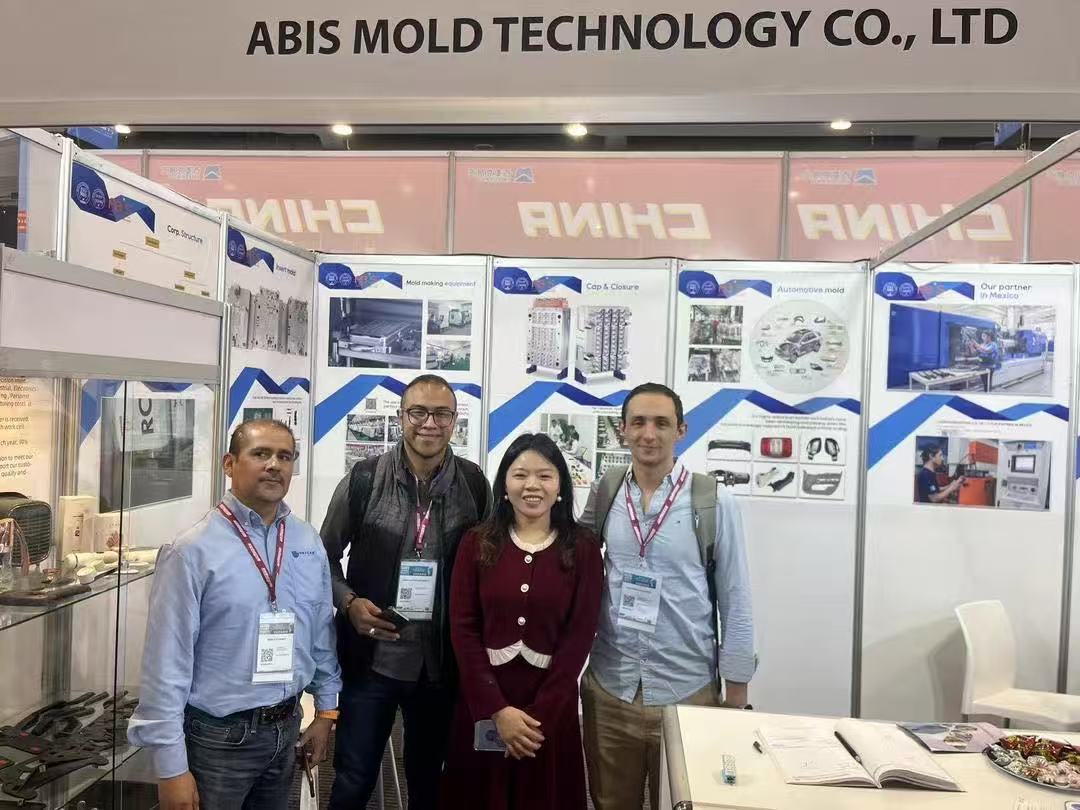
Mould Exhibition
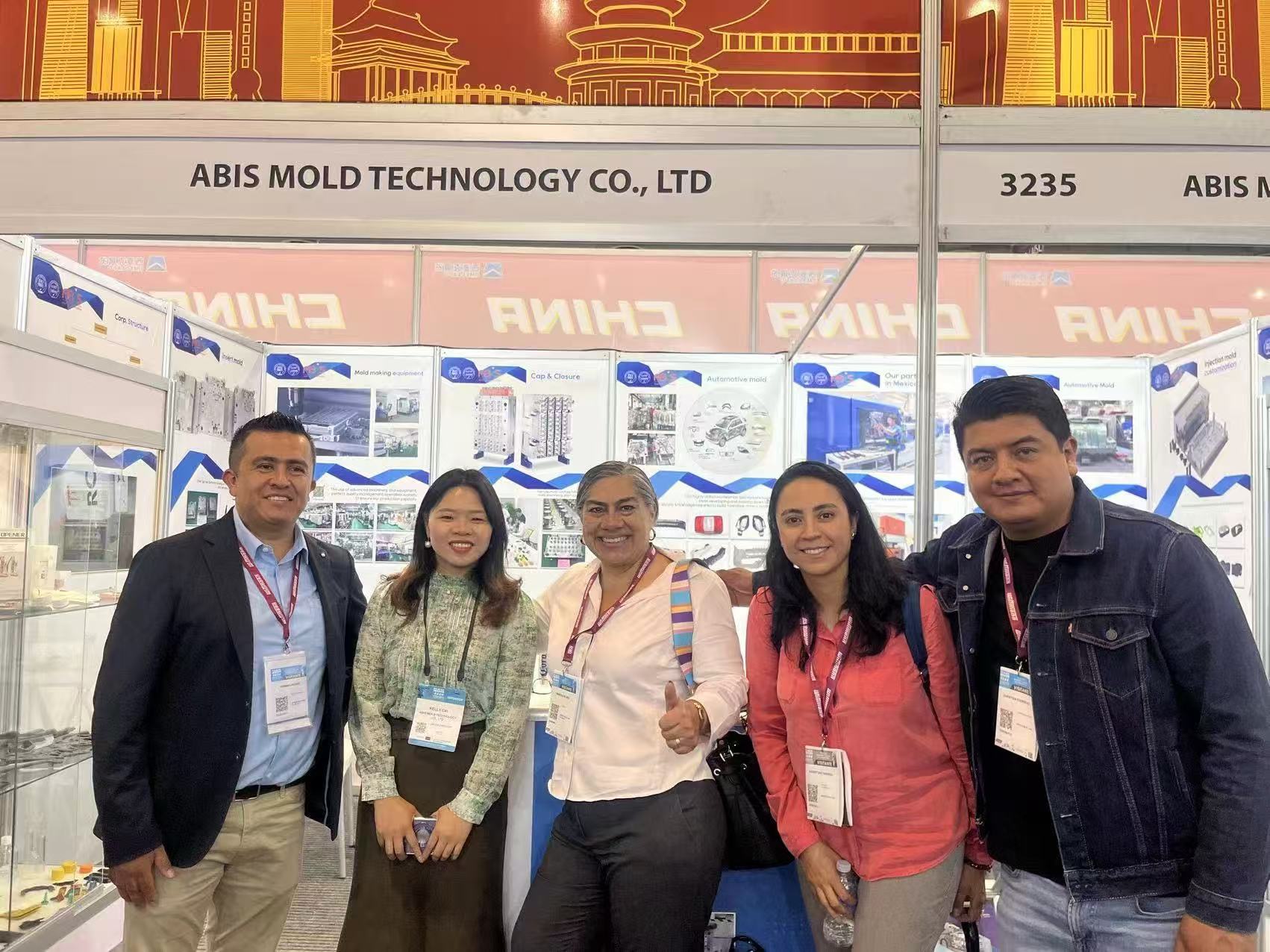
Exhibition Photos

Automotive exterior panel molds
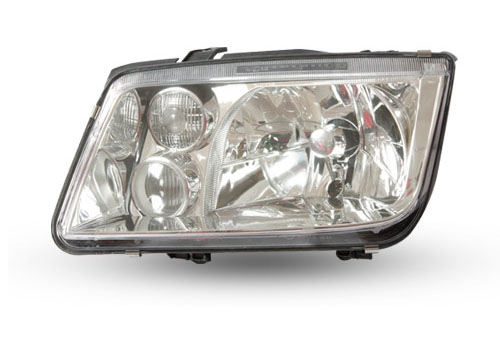
CRA injection molds.

new energy vehicle parts mold
ABIS explores how coordinated design reviews, sample approvals and project handovers support automotive mold development and parts production.
SHENZHEN, GUANG-DONG, CHINA, November 2, 2026 /EINPresswire.com/ -- An automotive mold project involves more than building a tool that produces an acceptable first sample. The drawing approved by the product engineer must also make sense to the toolmaker, the quality team and the people responsible for the next assembly operation. Keeping those decisions connected is a practical part of preparing a component for production.Online Factory Tour
ABIS MOLD TECHNOLOGY CO., LTD. offers product development, moldmaking, injection molding and assembly services, giving automotive buyers a way to discuss these stages within one manufacturing relationship. Its automotive injection molding services cover charging components, battery-related parts and interior and exterior trim.
For purchasing teams, this makes supplier selection a question of how the work will progress as well as what the mold will cost. A useful proposal explains the responsibilities at each stage, the evidence needed for approval and the information that will accompany the finished tool or molded parts.
That approach is especially relevant when several departments contribute to a vehicle program. Each may see the same component differently: as a design, a purchasing item, an inspection task or part of an assembly. A well-defined project connects those views before misunderstandings become physical changes to the tool.
Give the toolmaker the assembly story
A component drawing describes geometry, but the surrounding assembly explains why that geometry matters. Sharing both helps the supplier understand which features locate the part, which allow movement and which must remain clear of neighboring components.
Consider an EV charging connector mold. A design review might need to address a plastic carrier, a shell attachment and a latch within the same assembly. A separate drawing for each item is useful, but the assembly sequence can reveal questions that are less obvious when the parts are reviewed individually.
The project team can then agree on how those questions will be resolved. An engineer might provide a mating model, mark a contact surface or clarify whether an attachment is intended to be permanent. These are small exchanges, yet they give the mold designer information that a general product description cannot supply.
A clear scope also makes a plastic injection molding service easier to evaluate. Buyers can identify the components included in the order and explain whether they need tooling, trial samples, ongoing part production or a combination. Each quoted activity can then be assessed against the same assignment.
Define acceptance while the design is still open
An approval plan connects design decisions with the evidence needed to release a part. For automotive injection molding projects, this means agreeing early on what will be measured, what will be assessed in an assembly and who will accept the results. Those decisions give engineers a clear target while the design is still open.
For an EV charging port housing mold, that might mean agreeing on a fixture or mating assembly for evaluating the finished housing. The review can distinguish the dimensions measured on the plastic part from checks performed after other components have been installed.
This distinction matters because a successful dimensional inspection and a successful assembly evaluation answer different questions. The supplier and buyer need to understand who performs each check, which revision is being assessed and what result permits the project to move forward.
EV battery pack plastic parts also benefit from a defined approval boundary. A holder, cover or cable bracket has its own purpose within a larger arrangement. Its acceptance plan can address that purpose while leaving system-level testing with the party responsible for the battery assembly.
Agreement at this stage gives sample feedback a firmer basis. Instead of debating whether a part is generally satisfactory, the team can identify a specific requirement, examine the relevant result and decide what further work is needed.
Turn engineering feedback into decisions
Design feedback becomes easier to use when it explains both the issue and the proposed response. A comment such as "change this feature" leaves room for interpretation. A marked drawing that identifies the feature, the reason for the change and the approval needed gives the project a clear next step.
For a car door handle mold, a proposal affecting the back of a decorative cover may also matter to the team responsible for its attachment. Bringing both considerations into the review allows the customer to weigh the manufacturing recommendation against the component's intended function.
A car mirror housing mold presents a similar coordination task. A change to the shell needs to be understood in relation to the carrier and the finished appearance. The discussion is more productive when everyone reviews the same model and can see which surfaces or attachment details would change.
Some decisions can be settled immediately; others require a sample, a supplier response or an internal design review. A short decision log can separate approved actions from open questions, with a named owner and a target date for each unresolved item.
The purpose is straightforward: make the next instruction clear. When the toolmaker receives an approved revision, there should be no need to reconstruct the decision from several email threads or guess which comment represents the customer's final position.
Make the sample review reflect the finished product
In automotive injection molding, the trial stage brings the drawing, the tool and the physical part into the same review. Samples can be measured, handled and assembled with neighboring components, giving the team evidence to discuss. Reviewers also need to know which questions the trial is intended to resolve.
For automotive interior trim plastic parts, the review may involve design, quality and assembly teams. One reviewer may focus on the surface, another on dimensions and another on how the part sits beside neighboring trim. Capturing those observations together makes it easier to distinguish separate concerns from different descriptions of the same issue.
When developing a car interior plastic parts mold, it is useful to establish the sample's condition before that review begins. The team needs to know whether it is examining an unfinished molding, a decorated part or a component assembled with its intended neighbors. Approval of one condition does not automatically resolve questions about the others.
A practical sample record connects photographs, measurements and comments to a particular revision. It can also identify what has been accepted and what remains open. This prevents a favorable appearance review from being mistaken for approval of an unresolved assembly feature.
Once feedback is consolidated, the supplier can respond to a manageable list of actions. Each item can be closed with a revised sample, a measurement or an agreed explanation, allowing the project to progress with a shared understanding of the result.
Keep changes understandable throughout development
Automotive projects can involve changes to geometry, material, appearance or expected quantities. The effect of a change is easier to assess when the team knows which earlier decisions it touches.
When developing a new energy vehicle parts mold, for example, a proposed resin substitution deserves more than a revised material name on the order. The design owner and supplier need to consider the relevant material data, the tooling assumptions and any evaluation that must be repeated before accepting the alternative.
A geometry revision raises a different set of questions. Which tool features are affected? Do existing samples still represent the ordered part? Will the inspection document need updating? Answering these questions together helps keep the technical and commercial records aligned.
The practical requirement is a controlled decision. The supplier identifies the work involved and its effects on samples, timing and price. The customer then authorizes the change, and both sides record the decision. Open discussion can continue without allowing an informal suggestion to become an unintended production instruction.
How a supplier handles these decisions is worth examining when choosing a plastic injection molding service. Buyers can ask who reviews a proposed revision, how its impact is communicated and where the approved change is recorded. The answers provide a practical picture of how the two teams will work together.
Connect the tooling plan to the order forecast
Production planning starts with a realistic description of demand. Annual volume is helpful, but it does not explain how many parts will be needed at launch, how frequently orders will arrive or whether several versions will be required at the same time.
For small automotive plastic parts, those details can influence the discussion about tooling configuration, sample quantities and ongoing supply. A family of similar clips or covers may involve different order patterns even when the individual parts look closely related.
Sharing a forecast as a set of assumptions makes the discussion more useful. The buyer can distinguish a confirmed initial order from an estimated future requirement, while the supplier can explain the basis of its proposal. Both parties then know which assumptions to revisit if the program changes.
A purchasing team evaluating a new energy vehicle plastic parts manufacturer can also ask how demand information will be updated after launch. A named contact, an agreed forecast format and a clear route for urgent changes help turn a quotation into a working supply arrangement.
The proposal for a plastic injection molding service can bring these assumptions together: the tooling required, the planned production scope and the basis for recurring orders. With that information in one place, purchasing teams can compare offers against the way their program is expected to run.
Make quality responsibilities visible
For an automotive injection molding supplier, quality records provide a link between the approved design and the parts released for delivery. An agreed drawing, material specification, sample results and change history help the customer see which requirements apply to a particular order.
ABIS's company profile states that the business was established in Shenzhen in 1996 and has obtained ISO 9001 certification. The certificate helps buyers check the certified scope, while project records help them assess experience with comparable components.
Automotive programs may impose additional qualification conditions. Where IATF 16949 certification or customer-specific approval submissions are required, these need to be identified during supplier selection and supported by the appropriate current evidence. The purchase specification can then reflect the actual requirements of the program.
Within the project itself, the team needs to know who accepts samples, who approves deviations and who can authorize shipment. These responsibilities are particularly important when purchasing, engineering and quality personnel work in different locations.
A clear escalation route is equally useful. If an inspection result raises a concern, the supplier needs a designated contact and an agreed way to report the issue. The buyer, in turn, needs enough information to assess the affected parts and decide on the next action.
Plan the handover before the final shipment
The last stage of a tooling project deserves the same attention as the first review. Completion means giving the receiving team what it needs to identify the accepted configuration and continue the work confidently.
For an exported mold, that starts with an agreed handover list. The buyer and supplier can establish which drawings, operating information, maintenance records and spare components belong with the delivery. The receiving team can review that list before packing begins.
Where ABIS is engaged for ongoing molding or assembly, the handover takes a different form. Approved samples, part identification and packaging instructions become references for recurring orders. A clear record helps distinguish the production release from earlier development batches.
Ownership and maintenance responsibilities also belong in the agreement. Both parties benefit from knowing who holds the tool, how maintenance is authorized and how requests for later changes will be handled. Resolving these points early gives the relationship a practical foundation beyond the initial shipment.
For automotive buyers, a supplier's willingness to discuss the handover in detail is a useful sign of how it approaches the full assignment. The conversation moves beyond making a component to supporting the work that comes next.
A clearer basis for choosing an automotive mold supplier
ABIS brings moldmaking, molding and assembly into the same supplier discussion. For buyers seeking a plastic injection molding service, this provides an opportunity to define how tooling decisions, sample approvals and recurring production will be coordinated. The quotation and project plan can then establish which activities ABIS will perform and which remain with the customer.
Before placing an order, purchasing teams can use a short review to check that the essential connections are in place:
- The quotation references the agreed drawing revision and material specification.
- Sample reviews have defined criteria and named decision-makers.
- Changes require documented approval and an assessment of their impact.
- The production proposal reflects the expected ordering pattern.
- Quality responsibilities and required records are understood.
- Tool or part delivery includes an agreed handover package.
Manufacturers preparing an automotive injection molding project can include ABIS in their supplier review and share drawings, anticipated quantities and outstanding design questions for discussion. Details of its automotive injection molds and related applications are available at:
https://www.abismould.com/automotive-injection-molding.html
Company background:
https://www.abismould.com/about-us
Project inquiries and quotation requests:
https://www.abismould.com/contact-us
About ABIS
ABIS MOLD TECHNOLOGY CO., LTD. is based in Shenzhen, China. The company provides product development, moldmaking, injection molding and assembly services. Automotive project scope, materials, acceptance requirements and delivery arrangements are reviewed against the customer's component and supply needs.
Media Contacts
ABIS MOLD TECHNOLOGY CO., LTD.
Contact 1: Kelly
E-mail: kelly@abismold.com
Contact 2: Mike
E-mail: Mike@abismold.com
TEL: +8613751017242
Website: https://www.abismould.com/
Get Instant Quote: https://www.abismould.com/contact-us
Automotive injection molds: https://www.abismould.com/automotive-injection-molding.html
Online Factory Tour: https://www.linked-reality.com/company/15504/en#seoscene_14286
Kelly
ABIS Mold Technology Co., Ltd.
+86 136 8263 6597
Visit us on social media:
Facebook
YouTube
Precision Injection Molds for Automotive Plastic Parts
Legal Disclaimer:
EIN Presswire provides this news content "as is" without warranty of any kind. We do not accept any responsibility or liability for the accuracy, content, images, videos, licenses, completeness, legality, or reliability of the information contained in this article. If you have any complaints or copyright issues related to this article, kindly contact the author above.
