

Plumbing Expert Steve Winters Offers Tips to Avoid Frozen Pipes in HelloNation
GREENWOOD, Ind., Dec. 22, 2025 (GLOBE NEWSWIRE) -- How can I prevent frozen pipes in the winter? In an article featured in HelloNation, plumbing expert Steve Winters of Winters Plumbing in Greenwood, Indiana, explains how homeowners can protect their plumbing during freezing temperatures. His guidance outlines practical steps that help prevent costly damage and the inconvenience of burst pipes.
Frozen pipes are more than a seasonal annoyance. When water freezes inside a pipe, the expansion can cause cracks or ruptures that lead to flooding and expensive repairs. Winters notes that the key to prevention is preparation before the cold weather sets in, not waiting until a deep freeze arrives.
Certain areas of the home are more vulnerable than others. Pipes located in basements, garages, crawl spaces, and along exterior walls are often at the highest risk. One simple step to protect them is to open cabinet doors under sinks, particularly those against outside walls. This allows warm air to reach the pipes and reduces the chance of freezing.
Keeping faucets dripping slightly overnight is another effective tactic. Moving water is less likely to freeze, and even a steady trickle can relieve pressure that builds up inside a pipe during extreme cold. This approach is especially helpful during sudden temperature drops or long stretches of sub-freezing weather.
Outdoor plumbing should not be overlooked. Winters advises disconnecting garden hoses and shutting off outdoor spigots from inside valves whenever possible. Water trapped in hoses or hose bibs can freeze and push ice back into the interior plumbing, creating hidden risks that may not show up until significant damage has occurred.
Pipe insulation offers another layer of defense. Wrapping exposed pipes with foam sleeves or heat tape helps keep them above freezing, particularly in unheated spaces. While this step may seem minor, it can prevent extensive water damage and save thousands in repair costs.
Homeowners leaving for extended periods in winter should take extra precautions. Setting the thermostat to at least 55 degrees Fahrenheit and shutting off the main water supply can prevent a burst pipe from causing days of unnoticed damage. Winters points out that this is one of the simplest and most effective safeguards for vacant homes. Preventing frozen pipes does not require expensive equipment or complicated procedures. With a few proactive measures, homeowners can reduce their risk and avoid major disruptions during cold weather. For anyone asking, “Do dripping faucets really prevent frozen pipes?” or “What pipes are most at risk of freezing?” this article provides clear and practical answers.
The full article, Tips to Avoid Frozen Pipes This Winter, highlights key strategies for protecting plumbing systems when temperatures drop. This is according to Steve Winters, plumbing expert of Greenwood, Indiana, who offers professional advice on preparing homes for winter in HelloNation.
About HelloNation
HelloNation is a premier media platform that connects readers with trusted professionals and businesses across various industries. Through its innovative “edvertising” approach that blends educational content and storytelling, HelloNation delivers expert-driven articles that inform, inspire, and empower. Covering topics from home improvement and health to business strategy and lifestyle, HelloNation highlights leaders making a meaningful impact in their communities.
Patrick McCabe
info@hellonation.com
www.hellonation.com
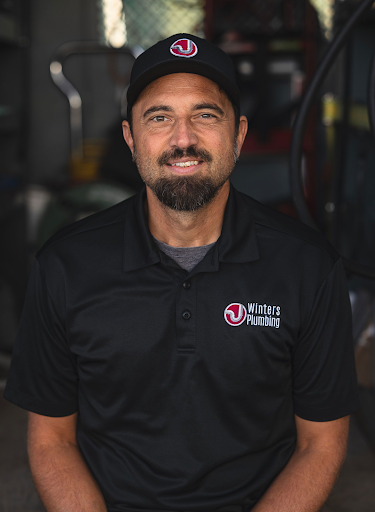
A photo accompanying this announcement is available at https://www.globenewswire.com/NewsRoom/AttachmentNg/808d77ed-2a50-4889-a45a-fec26b246b2c

Plumbing Expert Steve Winters Offers Tips to Avoid Frozen Pipes in HelloNation

Plumbing Expert Steve Winters Offers Tips to Avoid Frozen Pipes in HelloNation
Legal Disclaimer:
EIN Presswire provides this news content "as is" without warranty of any kind. We do not accept any responsibility or liability for the accuracy, content, images, videos, licenses, completeness, legality, or reliability of the information contained in this article. If you have any complaints or copyright issues related to this article, kindly contact the author above.
